Regional cores and the expansion of the Neolithic
The Near East is a huge area, exhibiting considerable diversity. And yet, due to an abundance of research, much of our knowledge on the Neolithic comes from the Levant, often leading to a Levantine primacy model.
There were, however, other regional centres in Anatolia and the ‘interior' Near East (primarily Iran and Iraq), all pointing to the diversity of the Near Eastern Neolithic.[455] The nature of interaction between these, however, is unclear.Though the Neolithic spread to other regions, such as Europe, it owes its genesis to the Near East. There are several ‘demic vs. diffusion' issues associated with this expansion, and we now know that old models are too simplistic. The transmission is often thought to have been through Anatolia,[456] but marine routes also have been suggested,[457] and nowhere is this more in evidence than in Cyprus.
The Mediterranean islands were until recently considered peripheral to the Neolithic. Traditionally it was believed that colonization of most of the islands occurred during the late Neolithic, with Cyprus having the earliest colony, the Pre-Pottery Khirokitia culture, commencing some 2,500 years later than the earliest mainland Neolithic. Once established on the islands, it was thought, the Neolithic did little to advance itself there, showing few mainland parallels and contacts, and rapidly developing into isolated, idiosyncratic island-adapted entities.
The past twenty years, however, have revolutionized our understanding of the early occupation of the Mediterranean islands. Previous reports of
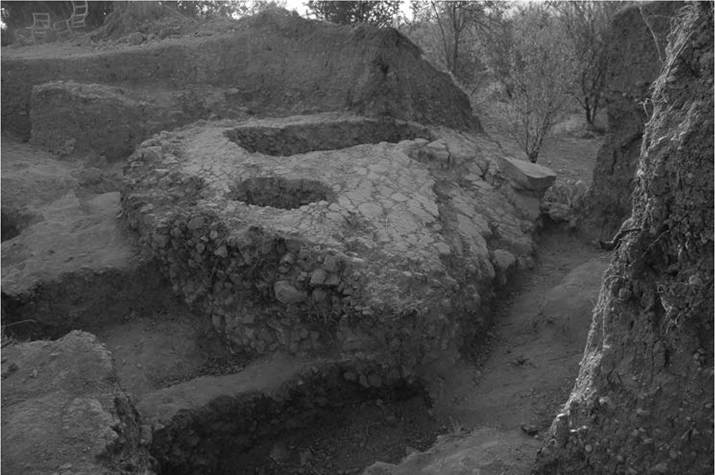
Figure 8.5 Cypro-PPNB 'Ais Giorkis, Cyprus.
early, pre-Neolithic occupations on the islands are generally not well documented, although recent claims for pre-Homo sapiens on some islands are provocative if as yet unverified.[458] For the Neolithic, though, Cyprus is increasingly playing a major role. A few key sites there now document both a late Epipalaeolithic presence contemporary with the Natufian, and newly defined early Neolithic occupations (both PPNA and Cypro-PPNB) that are as early as those on the Levantine and Anatolian mainlands (Figure 8.5).
Actual permanent colonization appears to have occurred during the Cypro-PPNB.[459] We now know that Cyprus was not peripheral to the Neolithic Revolution, but rather a central part of it. It is now clear that multiple trips between Cyprus and the mainland occurred. This emerging research on Cyprus has reoriented how archaeologists view island colonization, early seafaring abilities, domestication processes and accompanying social changes, and the spread of the Neolithic from its mainland cores.While major domesticates such as caprines and pigs formed a significant part of the Cypriot Neolithic diet, cattle were thought to have been absent. New data, however, indicate a pattern of early cattle introduction, although this usage apparently ceased after the earliest Neolithic. The reasons for this are not clear, and could be related to economic, ritual, or ecological variables.[460]
The early Neolithic of Cyprus demonstrates a significant level of continuous interaction between the island and the mainland. It is conceivable that Cyprus could have served as a staging ground for further expansion from the mainland. This new research is requiring a dramatic reinterpretation of the diffusion and migration of Neolithic peoples, the emergence of the ‘Mediterranean fishing village', and its possible role in transporting people and resources to Cyprus.[461]