West Asia and Europe
West Asia
This region, and in particular the Levant (encompassing modern Jordan, Israel, Lebanon, Syria, and southeastern Turkey), has been the focus of intensive research into early agriculture since the mid twentieth century.
The Levant presents great topographical, ecological, and species diversity in a restricted area. Some of the earliest evidence in the world for deliberate burial of the dead relates to the arrival of anatomically modern humans in this region around 100,000 years ago; together with other behaviours indicative of ‘investment in place', such as caching of large, non-portable, ground stone tools, the archaeological evidence suggests that sedentary habits (re-)emerged periodically where resources were locally abundant.[219] The archaeological record of the late Epipalaeolithic in West Asia (c. 13,00010,000 cal bce), coinciding with a period of dramatically increased temperature and precipitation at the end of the last Ice Age (the B0lling∕Aller0d interstadial), suggests that a ‘peak' of sedentary behaviour preceded the emergence of cultivation and herding. Particularly well researched is the archaeology of complex, relatively sedentary hunter-gatherer groups in the southern Levant, characterized by a form of material culture known as ‘Natufian' after its initial identification in Wadi en-Natuf by Dorothy Garrod in the 1920s. Subsequent research has established that Natufian ‘base camp' sites in relatively resource-rich settings featured substantial, semi-subterranean circular structures of varying sizes; the Natufians buried certain individuals (sometimes with elaborate grave goods) in and around these buildings or in dedicated cemetery areas (often caves). Their settlements were occupied continuously enough to accommodate thriving populations of mice and rats. The Natufians made intensive use of ground stone tools for processing foods, and elaborate carving on some of these items suggests that meal preparation and hospitality were performative and prestigious activities.[220] Pounding and grinding made relatively ‘low-ranked' foods such as grass seeds accessible; considerable investment of labour is required to remove husks surrounding edible grains, and such plants are therefore often ranked lower by hunter-gatherers than others (such as certain nuts and tubers) that require less processing and offer a larger calorific return per unit of time invested. The use of pounding and also grinding tools was a key development for territorial hunter-gatherer groups making full use of the resources available in their immediate surroundings. Faunal assemblages vary but the dominant large mammal is generally the gazelle. Groups in other parts of West Asia are less well documented but probably formed part of a broader trend towards greater sedentism that developed in the warmer conditions of the B0lling∕Aller0d interstadial.A return to colder, drier climatic conditions during the Younger Dryas stadial (c. ιι,000-10,000 cal bce) has been seen as a trigger for the shift from plant gathering to cultivation (sowing, tending, and harvesting) among late Natufian hunter-gatherers, but more recent work on key archaeobotanical
assemblages suggests that this pivotal development took place later, under the favourable climatic conditions of the early Holocene, in association with an archaeological complex in the Levant known as the Pre-Pottery Neolithic A (PPNA, c. 10,000-8500 cal bce).[221] Cultivation of wild cereals and pulses is attested alongside a continued focus on gazelle hunting at many sites dating to the tenth and earlier ninth millennia bce.[222] Indicators of cultivation include the association of ‘crops' with assemblages of arable weeds, as well as evidence of storage (including the droppings of house mice that infested stores) and an abundance of wild cereal chaff used as mud-brick temper. Faunal research at sites around the northern end of the Levant, at Hallan Cemi in eastern Turkey and at Zawi Chemi Shanidar in northern Iraq, suggests a roughly contemporary shift in hunting practices among hunter-gatherer groups focused on wild sheep: here culling of prime (2 to 3-year-old) male sheep suggests a strategy for ensuring a steady supply of meat while protecting local populations of females and young.[223] Thus cultivation and ‘conservation-oriented' hunting both emerge as solutions to the problem of resourcing semi-sedentary communities during the tenth millennium cal bce (see also Alan Simmons, Chapter 8).
What was cultivation in this early period like? A major clue is that it did not rapidly lead to ‘domesticated' cereals, in which the ripe ear remains intact rather than ‘shattering' (the natural seed dispersal mechanism of wild cereals). Experimental sickle-harvesting of wild cereals suggests that shifting cultivation would accelerate domestication; in long-lived, fixed plots, by contrast, the wild form would tend to dominate the 'bank' of seeds residing in the soil until germination.[224] Long-term use of cultivation plots, combined with harvesting of cereals prior to full ripeness (before shattering), would help to explain the persistence of wild forms under cultivation, as would replenishment of seed stocks from wild stands. Burning of a building at Gilgal I, a PPNA site in the lower Jordan valley, preserved concentrations
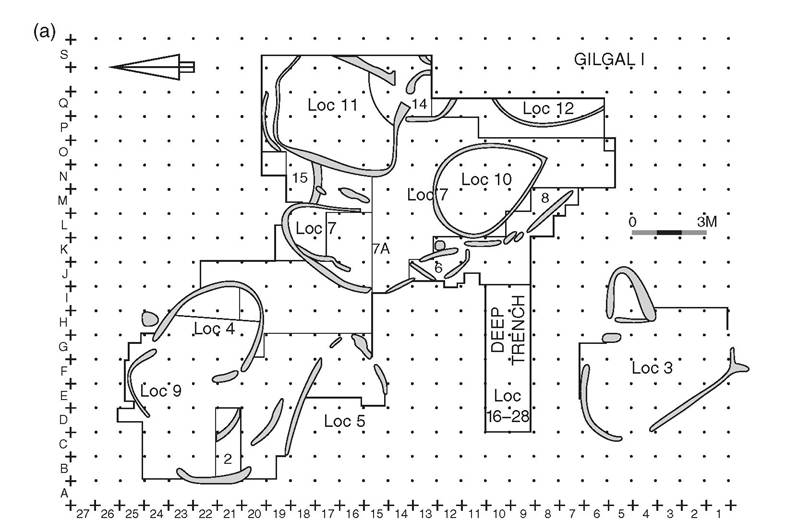
Figure 5.1 Gilgal I, Jordan valley: (a) general site plan; (b) Locus ιι, which contained concentrations of flint (black, FL) in the southeast part of the room and multiple baskets (BSK) from which a distinct lithic toolkit and a store of unprocessed wild barley and oats had spilled onto the floor; the floor assemblage also included figurines (F), a charred postsocket (PS) and a charred beam or post (CH).
of wild unprocessed cereals in baskets (Figure 5.1).1° While the scale of these plant concentrations is substantial, it is small in comparison with later periods, and the dietary importance of ‘crops' relative to other plant- and animal-derived foods is unknown. Charred remains of figs from this structure may derive from managed trees, propagated vegetatively.
Cultivation of annual seed crops and management of fruit- or nut-bearing trees must have raised concerns over ownership of land and its produce, and over social status linked to these activities. Indeed, the material culture of the PPNA suggests a fascinating series of social adjustments to the potentials and constraints of food production.
In the southern Levant, PPNA architecture is in some ways similar to earlier Natufian forms, featuring circular-elliptical huts and a fluid arrangement of food processing/preparation equipment inside and among clustered dwellings. But settlements tend to be larger and longer lived than in previous periods, and there are new forms of large-scale architectural endeavour, the most famous of which is the tower10 O. Bar-Yosef et al. (eds.), Gilgal: Early Neolithic Occupations in the Lower Jordan Valley: The Excavations of Tamar Noy (Oxford: Oxbow, 2010).
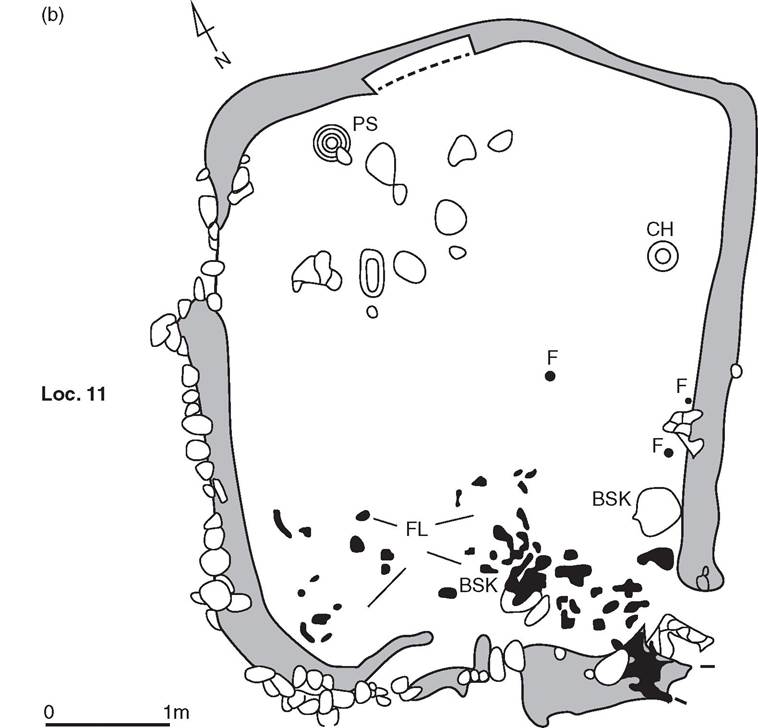
Figure 5.1 (cont.)
at Jericho, originally interpreted as part of a defensive enclosure and subsequently as a ritual monument and/or flood defence. Whatever its precise function(s), the tower is now known to be one of a series of large-scale PPNA structures reflective of communal effort, including a recently excavated large building at Wadi Faynan 16 in southern Jordan11 and, most spectacular of all, the early monumental enclosures at Gobekli Tepe in southeast Turkey, with massive T-shaped pillars, up to 5.5 metres in height, bearing low and high reliefs of a range of mammals, birds, and insects (Figure 5.2).11 [225] [226] These animals
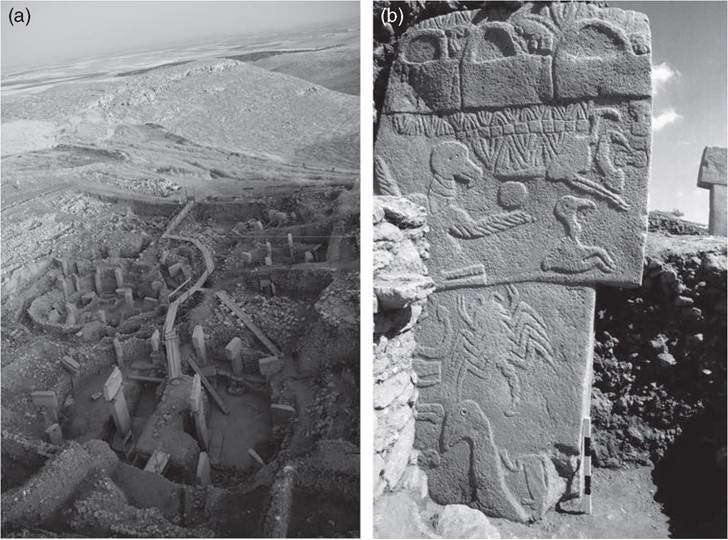
Figure 5.2 Gobekli Tepe, southeast Turkey: (a) aerial view of the main excavation area; (b) Pillar 43 in Enclosure D is one of the most richly decorated.
evidently had totemistic significance for communities in the region, who invested many months of labour to build each enclosure, perhaps in celebration of periodic male initiation rites, before deliberately filling them in. Geophysical prospection of the ground surface across the hill of Gobekli Tepe has detected twenty such enclosures, and T-shaped pillars occur at several other sites in the region.
The public architecture of the PPNA points to a new emphasis on community-wide cohesion and co-operative effort. Such co-ordination may have accompanied other, practical endeavours, such as the clearance and establishment of cultivation plots and hunting of large mammals. Critically, these monuments also posed a powerful counterpoint to divisive social tensions over rights to land and its resources. Flannery's discussion, cited at the outset of this chapter, suggests that agriculture ultimately prompts a shift from sharing and risk-taking at the group/ community-wide level to that of a small-scale residential family. The monuments of the PPNA suggest that there were dramatic attempts to maintain group-level sharing and cohesion, and this inference is supported by interpretation of anomalous, non-domestic structures on a range of sites in the northern and southern Levant as communal ‘store houses' and/or special purpose buildings.[227]
The evidence currently available suggests that cultivation was well established - and that (unconscious) selection for domesticated/non-shattering cereal varieties was well underway in some regions - by the time the earliest clear indications of livestock herding emerge during the mid to late ninth millennium cal bce, in the early part of the lengthy Pre-Pottery Neolithic B period (PPNB, c. 8500-6500 cal bce). Though scholarly interest in early animal husbandry regimes has often focused on the emergence of specialized nomadic pastoralism (a later development), it is evident that early herding in West Asia was practised by communities that also farmed. The mixed farming ‘package' that crystallized in the course of the long PPNB period - ultimately incorporating sheep, goats, pigs, and cattle, as well as a range of cereals and pulses, plus oil-seed crops - formed a resilient subsistence system. This system facilitated the emergence of the household or residential unit as the locus of storage and basic unit of storage and consumption, albeit in communities that remained tightly knit.
The nature of this early form of established farming, gleaned from a range of sources, provides a detailed sense of the agricultural practices that shaped communities in this period. It appears that disturbance-tolerant weed species become more frequent through the PPNB, suggesting a trend towards more intensive tillage and weeding.[228] Increasingly artificial growing conditions are also broadly implied by the diverse crop spectrum of cereals, pulses, and oilseed crops that proliferated during the PPNB. The crop suite of the PPNB enabled rotation between crops as a means of breaking disease cycles and maintaining fertility on long-established cultivation plots, while also providing complete dietary protein. In terms of animal husbandry, recent lipid residue evidence suggests that milking and consumption of dairy products go back as far as pottery (and hence probably earlier),[229] but unspecialized ‘meat-type' culling patterns and decreasing animal sizes through the PrePottery and later Pottery Neolithic (PN) suggest relatively small-scale herding as a complement to arable farming.
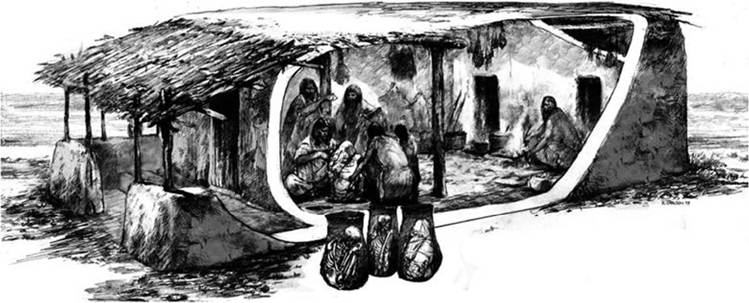
Figure 5.3 Reconstructed MPPNB house, Tell Halula, Syria, showing subfloor burials and rooms at the back for storage.
In several respects the labour investments made in fixed plots of arable land and in animal husbandry are paralleled in the houses of the Levantine PPNB (Figure 5.3), where frequent ‘whitewashing' with plaster, fastidious cleaning (and middening), and in some cases elaborate house decoration emerge. ‘Investment' extended to the placement of burials under house floors, sometimes with skulls removed for plastering and display prior to reburial. Dedicated storage rooms and facilities are common in PPNB houses, which generally become more spacious and compartmentalized through time. As agricultural practice became more diversified and robust, households turned increasingly inwards in matters of storage, food preparation, and daily meals. Paradoxically, some enormous aggregated villages developed during the late PPN and PN on a scale not seen again until the urban developments of the Chalcolithic-Bronze Age. These ‘megasites' suggest that the interests of the supra-household collectivity complicated or derailed inter-household competition and its potential outcomes. Some of these communities included special buildings of various types, the larger of which may have served communal ritual purposes.[230] [231] Neighbourhood or community-wide feasting, particularly involving large animals conducive to sharing/social storage, probably played a key role in mitigating the divisiveness of household storage of staple plant foods.17 Broader links evidenced through shared material culture and circulation of valued materials such as obsidian attest to interaction at nested spatial scales across the PPNB ‘koine'.
The later PN sites of West Asia reflect more regionalized material culture complexes and interaction spheres. Settlements varied enormously in scale; within the southern Levant, for example, 20 ha ‘proto-urban' Sha'ar Hagolan contrasts with tiny hamlets such as Tabaqat al-Buma.[232] Both sites, however, reflect a shift towards greater economic diversification and independence of the residential household. Courtyard-houses at Sha'ar Hagolan appear to have accommodated several nuclear families living grouped in an enclosed compound. Variations on these ‘extended-family' compounds emerge through the PN and subsequent Chalcolithic and broadly reflect the diversification of household economic activities, encompassing not only arable and pastoral production but also specialized manufacture of prestige ceramics that were widely exchanged. It is in the context of these large, diversified households that clear indications of lasting social inequalities between families eventually emerge.
Divisions of labour and gender roles in early agricultural West Asia have been discussed partly on the basis of skeletal remains and partly in light of representational evidence, especially anthropomorphic figurines. There are possible indications of female involvement in crop processing at early- farming Abu Hureyra, but wider-ranging analysis of human health and pathology suggests broad similarities between the sexes, with more intensive work during the Neolithic than the Epipalaeolithic.[233] Narrative art of the late PPN and early PN supports the association of male groups with hunting, while large outdoor ovens and grinding installations may reflect the activities of female workgroups. It is notable that PPNB plastered skulls correlate with age rather than gender, the treatment being confined to adults. Early scholarly interpretation of female figurines as evidence of a goddess-worshipping matriarchal society has given way to a growing recognition that early agricultural societies produced a range of female, male, and androgynous images, and that emphasis was placed on longevity, robusticity (even obesity), and survival rather than femaleness or fertility per se.[234] The extended- family compounds and characteristic seated female figurines of later Pottery
Neolithic complexes such as the Halaf may suggest polygamy and particular value attached to female labour in successful extended-household production. It is plausible that gender and age roles became increasingly specialized as household activities expanded and diversified.
Europe
Early farming communities in Europe were shaped from the outset by a fully formed ‘package' of crop cultivation and livestock herding. Strong traditions of household food storage and preparation emerge in the varied material cultures of Mediterranean Europe, in a climate zone with similar seasonality to that of the West Asian regions where the farming package developed. Farming was taken up on Crete and in mainland Greece from the early seventh millennium bce, and reached the Iberian peninsula in the earlier sixth millennium cal bce. Agricultural spread across the continental interior took place through the sixth millennium and featured a distinctive wave of material culture characterized by linear-incised fine-ware vessels (called Linearbandkeramik or LBK) and large timber-framed longhouses. LBK settlements range from cohesive ‘villages' to loose groupings of longhouses strung out along watercourses. Direct evidence for storage facilities is generally lacking, but final processing of crops for consumption was widespread and probably conducted at the household level, suggesting that each longhouse stored its own produce.[235] The range of crops grown in Neolithic central Europe was narrower than in southern regions, as cultivation of frostsensitive pulses became impractical, and the resulting decrease in plant- sourced protein likely coincided with more intensive use of animal-derived foods, especially dairy products. Recent genetic evidence suggests that lactose tolerance had not yet developed in the LBK but was likely selected for through use of milk products in central Europe, processed as yoghurt or cheese to make them digestible.[236] In later Neolithic lakeshore settlements of the Alpine foreland (dating from the later fifth millennium cal bce onwards), the combination of milk-oriented culling patterns and ruminant dairy fat residues on pots provides clear indications of intensive cattle dairying.[237]
The lakeshore sites of the northern Alpine foreland, with large organic assemblages preserved through waterlogging, provide some of the clearest ‘snapshots' of subsistence practice and social life in all of Neolithic Europe. Hornstaad-Hornle, at the western end of Lake Constance (Bodensee) in southwest Germany, provides a good example, dating to c. 3900 cal bce. The central part of a cluster of over forty small two-room houses, arranged in parallel rows, was destroyed by fire, preserving not only architectural and artefactual remains but also stores of cereal ears, harvested by cutting high on the straw and kept in attic spaces to dry for later processing (Figure 5.4). Weeds associated with the crops indicate productive, well-tilled conditions for crop growth, and provide an example of the kind of labour-intensive, ‘garden-like' cultivation that is widely evidenced by arable weed assemblages across Neolithic central Europe.24 Cleaned cereal grain was kept in small birch-bark containers, and charred food remains suggest that cereals were eaten as coarse porridge or bulgur. The high frequency of cereal bran in human faecal remains in waterlogged detritus layers confirms that cereals were a staple plant food, consumed alongside a variety of wild plants. Crop stores in each house demonstrate that residential families were the fundamental unit of consumption, and artefactual evidence suggests that a similar set of tasks - ranging from hoeing to woodworking and hunting - was carried out by each household, indicating that they were the basic unit of production as well (Figure 5.4). Subtle differences between houses are also evident; one house, for example, grew a wider range of cereals, made regular use of dill (a condiment of eastern Mediterranean origin), and possessed two very rare examples of early copper objects. Recent underwater excavation at slightly later sites on Lake Constance - Ludwigshafen and Sipplingen - has uncovered evidence of ‘cult houses' with internal wall paintings including female figures with moulded breasts; one of the structures contained the horn core and fragmentary skull of a wild bull.25 The implication is that here, too, the
189-200. A. Bogaard, Neolithic Farming in Central Europe: An Archaeobotanical Study of Crop Husbandry Practices (London: Routledge, 2004).
24 U. Maier, 'Archaobotanischc Untersuchungen in der neolithischen Ufersiedlung Hornstaad-Hornle IA am Bodensee', in U. Maier and R. Vogt (eds.), Siedlungsarchaologie in Alpenvorland, vol. v i: Botanische und pedologische Untersuchungen zur Ufersiedlung Hornstaad- Hornle IA (Stuttgart: Konrad Theiss, 2001), 9-384; Bogaard, Neolithic Farming in Europe: an Archaeological Study of Husbandry Practices (London: Routledge, 2004). B. Dieckmann et al., 'Hornstaad - zur inneren Dynamik einer jungneolithischen Dorfanlage am westlichen Bodensee', in A. Lippert et al. (eds.), Mensch und Umwelt wahrend des Neolithikums und der Fruhbronzezeit in Mitteleuropa (Rahden: Marie Leidorf, 2001), 29-51.
25 H. Schlichtherle, 'Kulthauser in neolithischen Pfahlbausiedlungen des Bodensees', in A. Hafner et al. (eds.), Die neue Sicht: Unterwasserarchaologie und Geschichtsbild, Antiqua 40 (Basel: Archaologie Schweiz, 2006), 122-45.
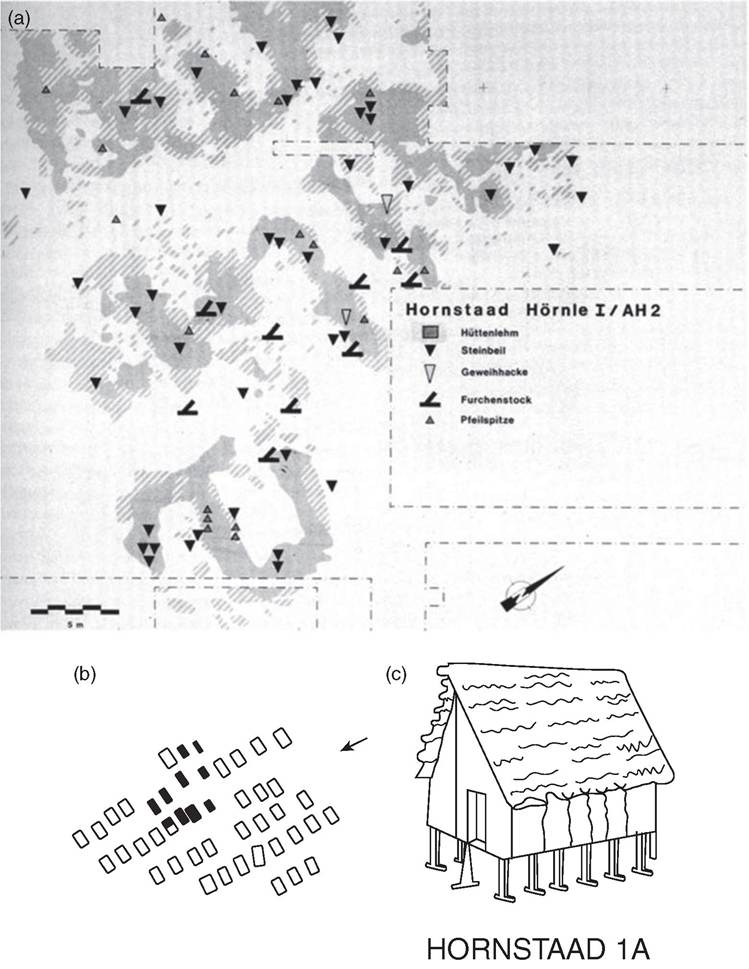
Figure 5.4 Hornstaad-Hornle, Lake Constance, southwest Germany: (a) plan of the excavated area with distribution of tool types (grey shading = house wall daub); (b) inset of whole site plan and reconstructed house; (c) charred cereal ears from household stores.
modular farming household emerged alongside spaces specifically dedicated to integrative ritual activity.
The beginnings of metallurgy in Neolithic Europe featured spectacular Balkan goldwork, unparalleled in the contemporary metal-working traditions of West
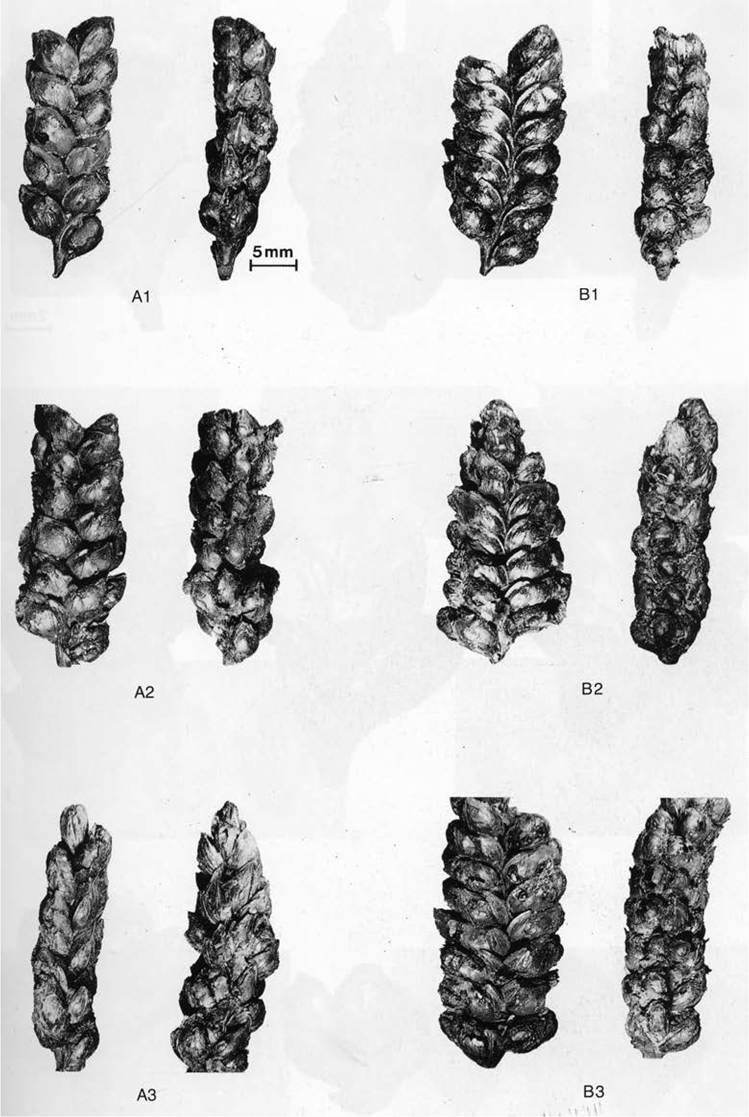
Figure 5.4 (cont.)
Asia and an ideal medium for emerging concerns over status in early farming communities. These concerns also found expression in early depictions of draught cattle/oxen and of wheeled vehicles, in media ranging from rock carvings in the Alps to paired cattle burials in eastern/central Europe. Ownership of animals and their use as labour-saving devices were major sources of prestige in these small-scale societies. Sharing of meat from slaughtered livestock also conferred social advantage. In the Alpine lakeshore settlement of Arbon Bleiche 3, dating to the thirty-fourth century bc e (the era of the ‘Iceman' found in the Oztal Alps 100 km to the southeast), the inhabitants hung the heads of cattle and goats on the outer walls of their houses, perhaps to commemorate the hosting of past feasts.[238] Hunted game also continued to be important in nutritional terms, especially during periods of cooler climate when crop failure was relatively frequent,[239] but in other contexts also as a source of trophies attesting to bravery and prowess among (probably) male hunters.[240]
Skeletal evidence, especially dietary assessment based on stable isotope values, reveals intermittent contrasts between men and women in early European agricultural communities, generally suggesting slightly higher meat consumption by men, presumably in connection with male hunting sodalities.[241] An association of women with food preparation is suggested by the fifth-millennium cemetery assemblage at Trebur on the middle Rhine, Germany, where some adult women were buried with saddle querns for processing grain.[242] Certain forms of supra-household collective action such as hunting were likely structured along gender lines, while others referred to kinship and lineage. The later sixth-millennium longhouse settlement of Vaihingen an der Enz, southwest Germany, was enclosed by a ditch, probably constructed in segments by neighbourhood groups; these groups, in turn, had wider links with distinct regional trading networks.[243]
Ditched enclosures - sometimes but not invariably defensive in nature - are one of the most widely attested forms of ‘communal' endeavour across Neolithic Europe. Those that do appear defensive include the Stepleton enclosure at Hambledon Hill, Dorset, and Crickley Hill in Gloucestershire, UK, both dating to the earlier fourth millennium cal bce. Concentrations of arrowheads and some actual human remains suggest an association with violent conflict. Deadly conflict between early farming communities is further evidenced by discoveries such as the LBK ‘mass grave' of over thirty men, women, and children at Talheim, southwest Germany, which probably represents the population of a small settlement killed by a rival community.[244] Forms of communal conflict likely included cattle raids and bride theft.
Larger scales of social interaction are suggested by abundant evidence for movements of materials and artefacts such as stone axes across hundreds to thousands of kilometres, including green jadeitite axes from the Alps that circulated widely within western Europe. While the scale of personal contacts involved in such exchanges could be small, vast regional aggregations of people are also occasionally documented. At the later sixth-millennium bce ditched enclosure site of Makriyalos near Thessaloniki, Greece, a large pit containing the remains of hundreds of rapidly deposited animal carcasses, serving vessels, and cups suggests massive feasting by a vast regional ‘community' incorporating many settlements.[245]
A striking feature of Neolithic material culture along the Atlantic fringes of western Europe are funerary monuments: tombs variously constructed of boulders, smaller stones, earth, and timber that were the focus of burial, often functioning as ossuaries for tens to hundreds of individuals (Figure 5.5). Some of these were (re-)used over many centuries, but their initial construction, concentrated in the fourth millennium cal bce, relates to the adoption of the mixed farming package. In a way reminiscent of the much earlier monuments of West Asia such as Gobekli Tepe, these dramatic architectural statements seek to advertise and promote a form of ‘communal' identity that was to some extent in tension with the logic of small-scale intensive farming. They likely reflect the importance of group endeavours such as the clearance, establishment, and
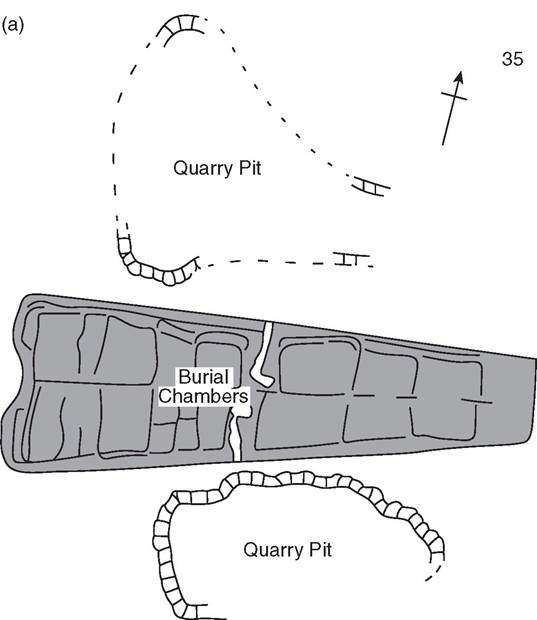
Figure 5.5 The chambered long cairn at Hazleton North, Gloucestershire, UK: (a) plan; (b) disarticulated human remains in the south chamber.
fencing of arable land, co-operative herding/protection of cattle herds, and efforts to perpetuate inter-family obligations over multiple generations.
More broadly, the treatment and representation of the human body provides key insights on the nature of social groupings and categories across Neolithic Europe. Work on anthropomorphic figurines from the Aegean, for example, suggests that female bodies were associated with body decoration such as tattooing in the earlier Neolithic and subsequently with decorative dress and jewellery, and hence material wealth. Female figurines sometimes depict postures emphasizing sexual attributes, while only male figurines are seated on stools.[246] Many figurines depict adults of unspecified gender and, as for West Asian figurines, age was more fundamental than gender in structuring social roles. The emphasis on adult representation coincides in some
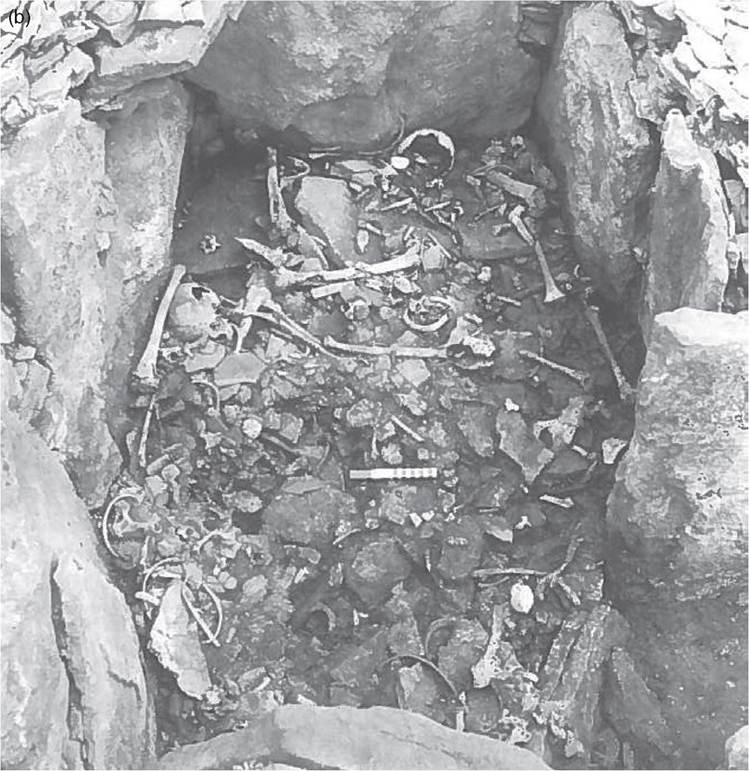
Figure 5.5 (cont.)
regions with distinctive funerary treatment; in Neolithic Greece, for example, adult remains are more often found disarticulated and dispersed than younger age categories, suggesting that eligibility to join the ‘community of ancestors' depended on maturity.[247] In these societies practising intensive farming and herding, where production was limited by available labour, it is plausible that full ‘personhood' was linked with the capacity to contribute economically (see also Alasdair Whittle, Chapter 22).
More on the topic West Asia and Europe:
- Dill
- Black pepper (Piper nigrum) is a flowering vine native to southern India and its use dates back to the second millennium BCE.