Statuary
If the plastering of skulls of some family members might have had some relationship with ancestral veneration in the MPPNB,24 it is highly likely that the stunning plaster statuary from 'Ain Ghazal is an extension of the ancestral
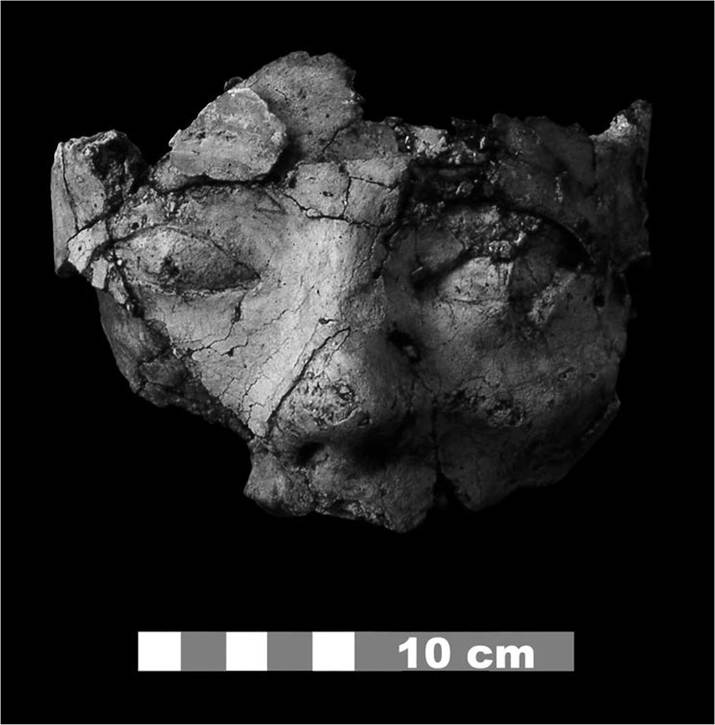
Figure 9.7 MPPNB skull from 'Ain Ghazal showing the delicate modelling of the plaster coating
cult that characterized the central Levant.[489] Two caches of plaster statuary were recovered from 'Ain Ghazal and the ‘cosmetic' treatment of the faces of statues and busts closely mirrors that of the plastered skulls.[490] While oral tradition is a strong medium of memory in many societies, tracing pedigrees beyond many generations can develop into the establishment of mythical ancestors, which is what we assume the statuary to represent (Figure 9.8).
More on the topic Statuary:
- Statuary
- Southeast Asian urbanism: from early city to Classical state
- Trends in material culture
- Barker Graeme, Goucher Candice (ed.). The Cambridge World History. Volume 2. A World with Agriculture, 12,000 BCE-500 CE. Cambridge University Press,2015. — 668 p., 2015
- Courtly cultures: western Europe, Byzantium, the Islamic world, India, China, and Japan
- Crossroads region: Southeast Asia